Services
Why Smarter Fisheries?
I have a wealth of expertise across Australian and International fisheries built through a successful career working for government agencies and universities. I can offer independent, unbiased, trusted and well informed scientific advice to a range of projects and forums.
I produce high quality project outcomes to support fisheries sustainability (environmental, social and economical). Projects and collaborations are undertaken with transparency and strong engagement in order to build trust in scientific research and its adoption in natural resource management.
Government agency
experience
Independence
Foster collaboration
Commitment to sustainable
fisheries
Stock Assessment
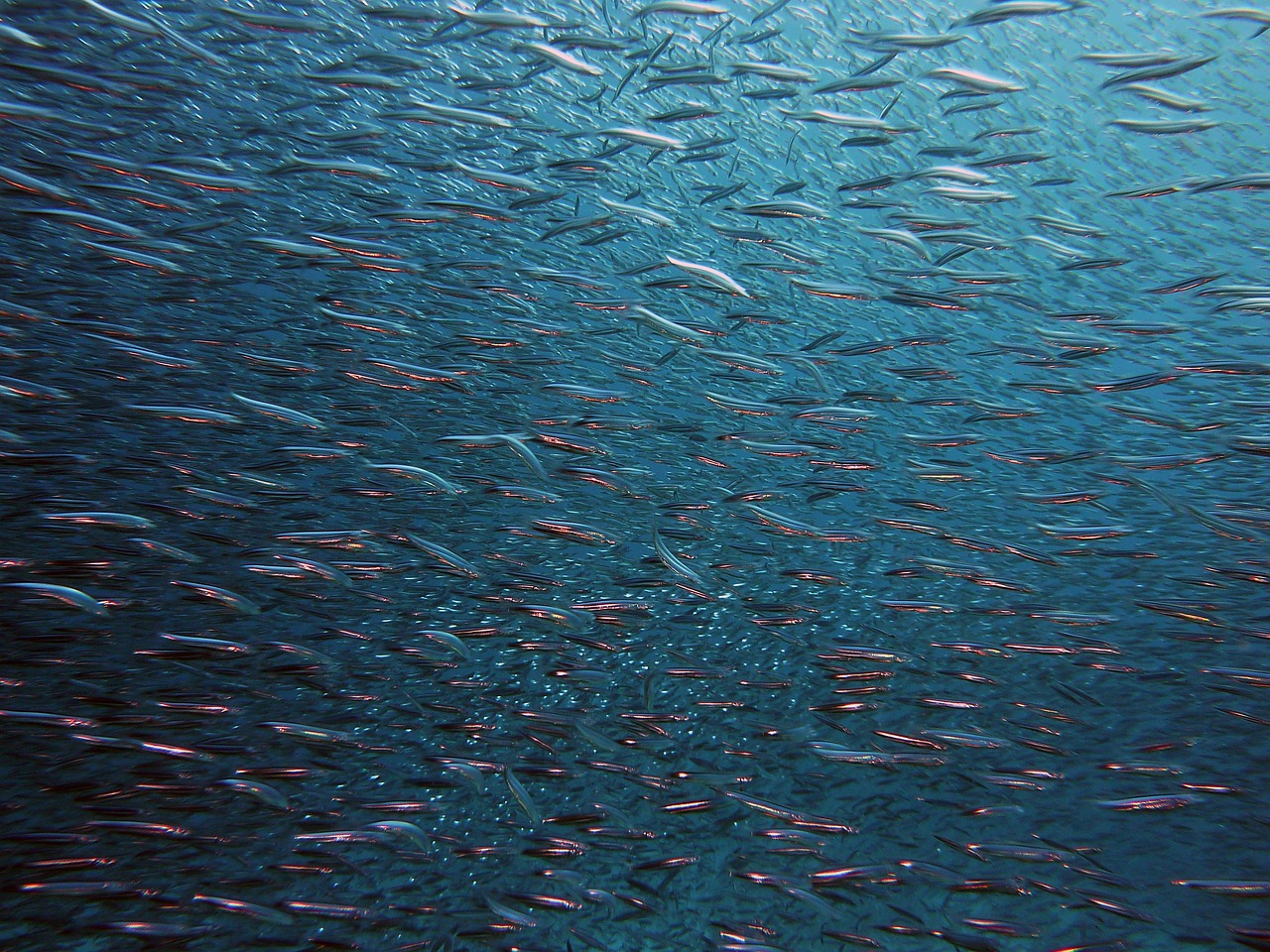
Stock assessments provide detailed information on species population dynamics and how they have historically responded to fishing. They are a synthesis of all available biological, ecological and fishery dynamic information and are one of the most valuable tools available to fishery management.
I specialise in stock assessment modelling and have substantial experience building models for temperate and tropical species caught by a variety of fisheries. Through Smarter Fisheries, I build these models for government agencies and/or stakeholder groups using tools such as Stock Synthesis and Template Model Builder.
Fisheries Assessment
Where stock assessments focus on species, fishery assessments focus on the fishery itself. Many fisheries capture multiple species through different fishing methods, and include complex dynamics across commercial, recreational and first nations sectors. They provide valuable information on how fisheries are performing, whether they are meeting their management or sustainability objectives and provide broad stock status assessments for species without formal stock assessments.
Some species specific analyses can be undertaken, including catch-per-unit-effort (CPUE) standardisation which uses modelling to determine trends in stock abundance while accounting for changes in fleet or fishing dynamics.
I’ve worked on fisheries assessments across Australia and specialise in undertaking high level quantitative analyses such as CPUE standardisation to inform stock status.
Management Strategy Evaluation (MSE)
MSE is the gold standard in fisheries science. Where stock assessments and fishery assessments describe what has happened to a stock or fishery, MSE gives an indication of what can happen in the future under different management strategies and conditions. Fishery objectives can be considered and weighed so that strategies can be designed to decrease risk of overfishing, maximise catch or provide fishery stability. These models are highly technical and are becoming increasingly in demand due to their value in fisheries and natural resource management. I recently completed an MSE project for Sea Cucumbers, ensuring that they were managed appropriately and allowing their continuing export to high value international markets.

Independent Advice
As a stock assessment scientist who previously worked for, and now continues to work with, various government agencies, I’m able to provide advice independent advice to constructively progress science and policy across Australia. I’ve worked with a number of industry and stakeholder groups to provide this advice. Through my independence, I’m able to provide an unbiased opinion that can help guide decisions. I perform this through advisory roles for different groups and as a scientific member of AFMA Resource Assessment Groups (RAGS).
Harvest Strategy Development
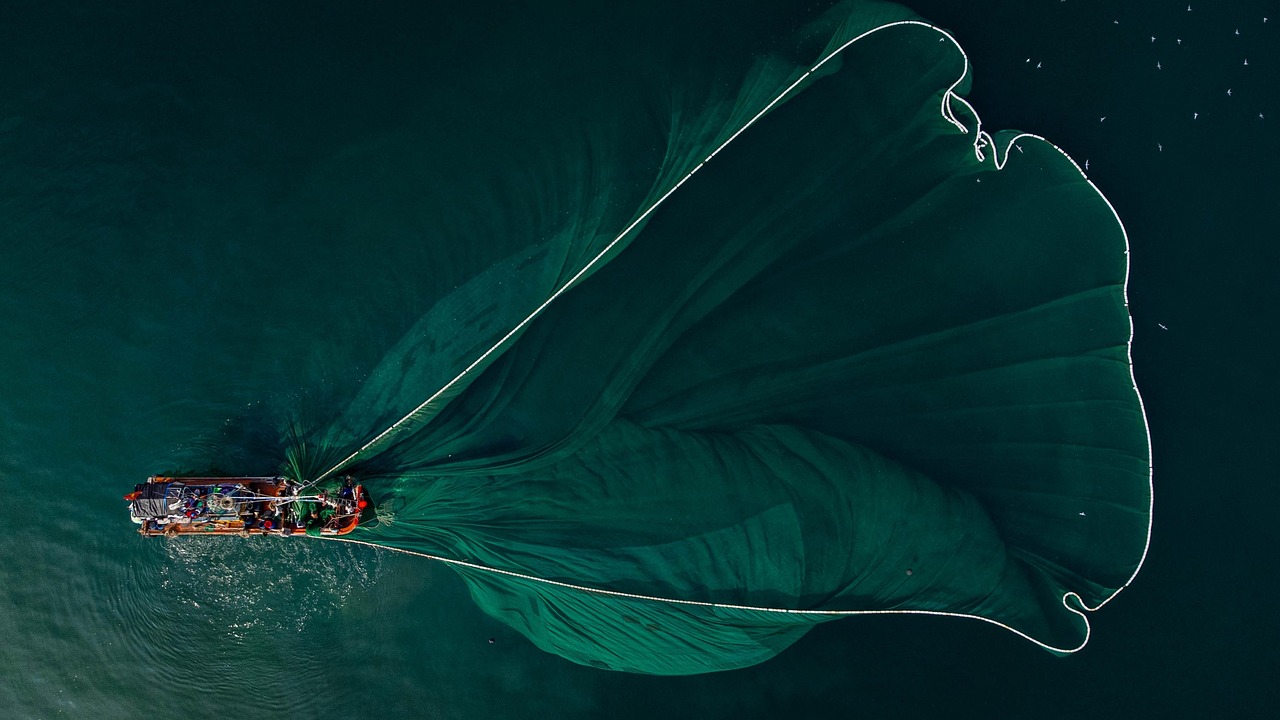
Harvest strategies provide a pre-agreed action plan through a co-management approach between managers, scientists and industry groups. They determine the actions that will be taken through fisheries management when a fishery triggers certain indicators, leading to increases or decreases in fishing activity. These are best informed by MSE and rigorous testing to ensure they perform as intended. Scientific advice on the efficacy of harvest strategy approaches is always valuable and often leads to optimal implementation. I’ve worked extensively on harvest strategies for temperate and tropical species, notably for Abalone, Sea Cucumbers and Finfish.

R Package Development
Most fisheries science analyses are undertaken using the R programming language, or by running models with the assistance of R. Package development is an important part of the scientific community that I actively engage with. I’ve therefore published several packages designed to complex analyses available to broad audiences. These are free and open source and designed make contribution to various research fields. These packages are available on CRAN and documentation is available on GitHub.

Capacity Building
I supervise students across Australia and Internationally to help build the next generation of fisheries scientists. I enjoy teaching and supervision and find that being a ‘friendly statistician’ means that I can greatly assist new and aspiring scientists early in their careers. I also use this enthusiasm to provide guest lectures, seminars and workshops to specific groups looking to further develop fisheries science experience and skills.